
Categories
Medicare Policy & Trends resources-finance

Health Plans Anticipate 14% Premium Hikes for 2027 Amid Rising Costs

Health insurers are preparing to propose a median premium increase of 14% for the 2027 plan year, marking a second consecutive year of double-digit growth, according to an analysis shared by the American Hospital Association (AHA).

While this primarily targets ACA Marketplace plans, Medicare beneficiaries should also brace for ripple effects in Medicare Advantage and Part D supplemental premiums. Insurers cite a combination of pressures driving the hikes: the explosive demand and cost of glucagon-like peptide-1 (GLP-1) weight-loss drugs, broader economic inflation, and ongoing labor shortages in the healthcare sector.

As federal policy changes—including the expiration of enhanced premium tax credits—take effect, seniors and younger enrollees alike will need to shop their coverage carefully during the upcoming fall open enrollment season.


Read the AHA news summary

Categories
Medicare Advantage Research & Data

Putting 2026 Medicare Advantage Plan Changes into Context

Despite headlines about insurers pulling back from certain markets, a report by Arnold Ventures reveals that the Medicare Advantage market remains highly robust in 2026. According to the data, over 99% of Medicare-eligible individuals still have access to at least two plan options.

While the average number of plans available per beneficiary slightly decreased from 2025, seniors still choose from an average of 39 plans, a massive 67% increase compared to 2019. Insurers have primarily reduced redundant plan variations rather than exiting major geographical footprints altogether.

However, the report notes that roughly 165,000 beneficiaries in highly specific rural counties in states like Vermont, Colorado, and Minnesota did face meaningful reductions in options, highlighting the ongoing disparity between urban and rural Medicare Advantage access.

Download the full brief from Arnold Ventures (PDF)

Categories
Medicare Policy & Trends Research & Data

What’s in the 2026 Medicare Trustees Report?

The Bipartisan Policy Center has published an in-depth summary of the 2026 Medicare Trustees Report, underscoring the pressing financial challenges facing the program. The report projects that the Medicare Hospital Insurance (Part A) Trust Fund will be depleted by 2033.

According to the Trustees, an aging demographic and rising per-beneficiary spending are placing immense pressure on the system. Medicare expenditures are projected to nearly double as a share of the U.S. economy over the next 25 years, rising from 3.9% of GDP to 6.5% by 2050.

Policymakers are increasingly focused on bipartisan reforms to address the $4.2 trillion long-term unfunded obligation before the 2033 insolvency date triggers automatic cuts to provider payments.

Review the Bipartisan Policy Center’s analysis

Categories
Medicare Advantage Medicare Policy & Trends Research & Data

Medicare Advantage in 2026: Premiums, Limits, and Prior Authorization Trends

A recent analysis by KFF provides a comprehensive look at the Medicare Advantage landscape in 2026. While enrollment growth has slightly decelerated, a record 55% of all eligible Medicare beneficiaries are now enrolled in private plans.

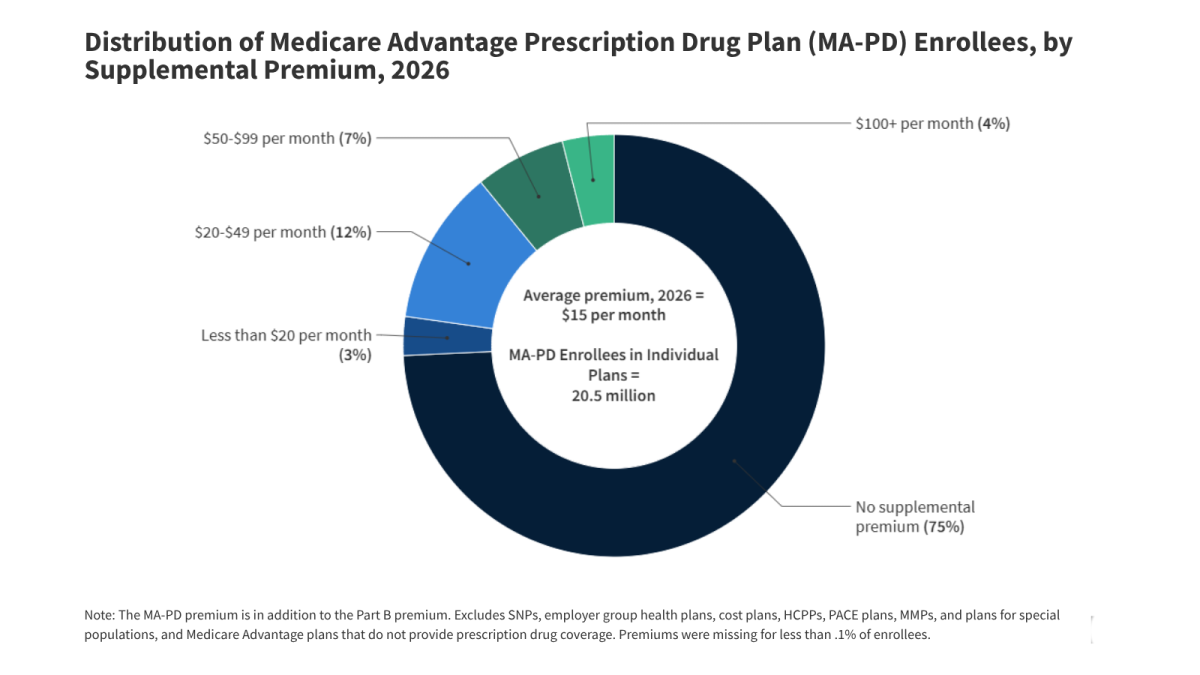
For 2026, the average beneficiary has access to 39 different plan options, with 31 of those being zero-premium plans. The average out-of-pocket limit for in-network services sits at $5,421, providing a safety net for enrollees with high medical needs.

Despite concerns over tightening federal payments, the availability of supplemental benefits like dental, vision, and hearing has remained stable. However, prior authorization continues to be universally applied, with 99% of enrollees in plans that require approval for certain services.

Read the full KFF analysis here

Categories
Information Medicare Benefits & Services Preventive Care

Summer Heat and Medicare: Staying Safe with Preventive Services

With record-breaking heat across the U.S., Medicare beneficiaries should take advantage of free preventive services to stay healthy this summer.

Medicare covers annual wellness visits, cardiovascular screenings, and immunizations at no cost—all crucial for preventing heat-related illnesses. Dehydration and heat stroke can exacerbate chronic conditions like heart disease and diabetes, which are common among seniors.

Seniors should also check their Part D plan’s coverage for electrolyte solutions and certain medications that may need heat-protective storage. And don’t forget: telehealth is covered, so you can consult a doctor without leaving your air-conditioned home.

See the full list of free preventive services at Medicare.gov

Categories
Information Medicare Advantage Plan Changes

What to Do If Your Medicare Advantage Plan Exits Your County

If you’ve received a notice that your Medicare Advantage plan is leaving your county at the end of the year, don’t panic — but do act quickly. Millions of seniors have faced similar disruptions in 2026 as insurers reshuffle their offerings.

When a plan exits, you’re granted a Special Enrollment Period (SEP). You can either enroll in another Medicare Advantage plan that serves your area, or return to Original Medicare and purchase a Medigap policy (with guaranteed-issue rights in many cases). The key is to compare your options before the SEP window closes.

Visit Medicare.gov to see all plans available in your ZIP code, or call 1-800-MEDICARE for free, unbiased counseling through your State Health Insurance Assistance Program (SHIP).

Compare plans at Medicare.gov

Categories
Information Medicare Benefits & Services resources-health

Medicare Telehealth Flexibilities Extended Through End of 2026

Seniors can continue seeing their doctors virtually from home—Medicare telehealth flexibilities have been extended through December 31, 2026.

The extension covers a broad range of services: routine office visits, behavioral health therapy, diabetes self-management training, and even audio-only calls for those without reliable internet. Geographic restrictions and originating-site requirements remain waived for all beneficiaries.

While telehealth has proven popular and effective, long-term policy is still under debate. For now, the status quo remains safe for the rest of the year.

Learn about telehealth coverage at Medicare.gov

Categories
Medicare Policy & Trends Prescription Drugs resources-finance

Medicare Drug Price Negotiations: 15 More Drugs Targeted for 2027 Savings

On the heels of the first successful round of negotiated prices, Medicare has selected 15 additional high-cost drugs for price negotiations, with savings expected in 2027.

The list includes treatments for Type 2 diabetes, HIV, psoriasis, and severe arthritis. Negotiated prices could reduce out-of-pocket costs for millions of seniors who depend on these brand-name medications.

While the actual discounts won’t kick in until next year, beneficiaries should review their plan’s formulary notices this fall to anticipate changes.

Read the Reuters coverage on Investing.com

Categories
Medicare Part D Prescription Drugs resources-finance

How Medicare’s $2,000 Part D Out-of-Pocket Cap Is Saving Seniors Money

The new $2,000 annual out-of-pocket cap on Medicare Part D drug costs is already making a difference for seniors taking expensive prescriptions.

Since January 2026, once your covered out-of-pocket drug costs reach $2,000, your plan pays 100% of the cost for the rest of the year. This includes deductibles, copays, and coinsurance for brand-name and generic drugs on your plan’s formulary.

Additionally, the Medicare Prescription Payment Plan allows you to spread your costs across the calendar year instead of paying large sums all at once. This helps smooth out budgeting, especially for those who hit the cap early.

If you haven’t reviewed your Part D plan recently, now is a good time to see how the cap and payment plan could reduce your expenses, especially before the open enrollment season this fall.

Learn more at Medicare.gov

Categories
Medicare Benefits & Services Medicare Policy & Trends Prescription Drugs

Medicare GLP-1 Bridge Program Launches: $50 Weight-Loss Drugs Now Available

The new Medicare GLP-1 Bridge Program went live on July 1, 2026, giving eligible Part D enrollees access to certain weight-loss medications for a flat $50 monthly copay.

Covered drugs include Wegovy (injections and tablets), Zepbound (KwikPen only), and all formulations of Foundayo. Beneficiaries must have a BMI of 35+ or a BMI over 30 with weight-related comorbidities, and their doctor must submit a prior authorization form to CMS.

The copay does not count toward the Part D deductible or out-of-pocket maximum, but it offers significant savings for those who qualify. The demonstration runs through December 31, 2027.

Learn more at CMS.gov